Back-to-back conferences in cancer and aging
In March 2025 I attended 2 nearly back-to-back conferences, one for cancer immunotherapy and the other for aging research. In the few days in between, I folded in some Spring Break family time, so it was about a week and a half being away from campus and working remotely. Though the locations were gorgeous and I enjoyed the opportunity to travel, it is nice to be back in the lab, fresh (at least intellectually, physically I’m rather tired!) and ready to tackle the science.
The Society for Immunotherapy of Cancer (SITC) is one organization that I have been interested in among the many different cancer research associations out there, given that our lab’s recent efforts in cancer are more on the immunological mechanisms rather than clinical applications. The Spring Scientific 2025 was held in San Diego, CA, one of my favorite cities, and had a program focused on cellular therapies. I figured that it would be a good way to expand my knowledge on such an exciting field.
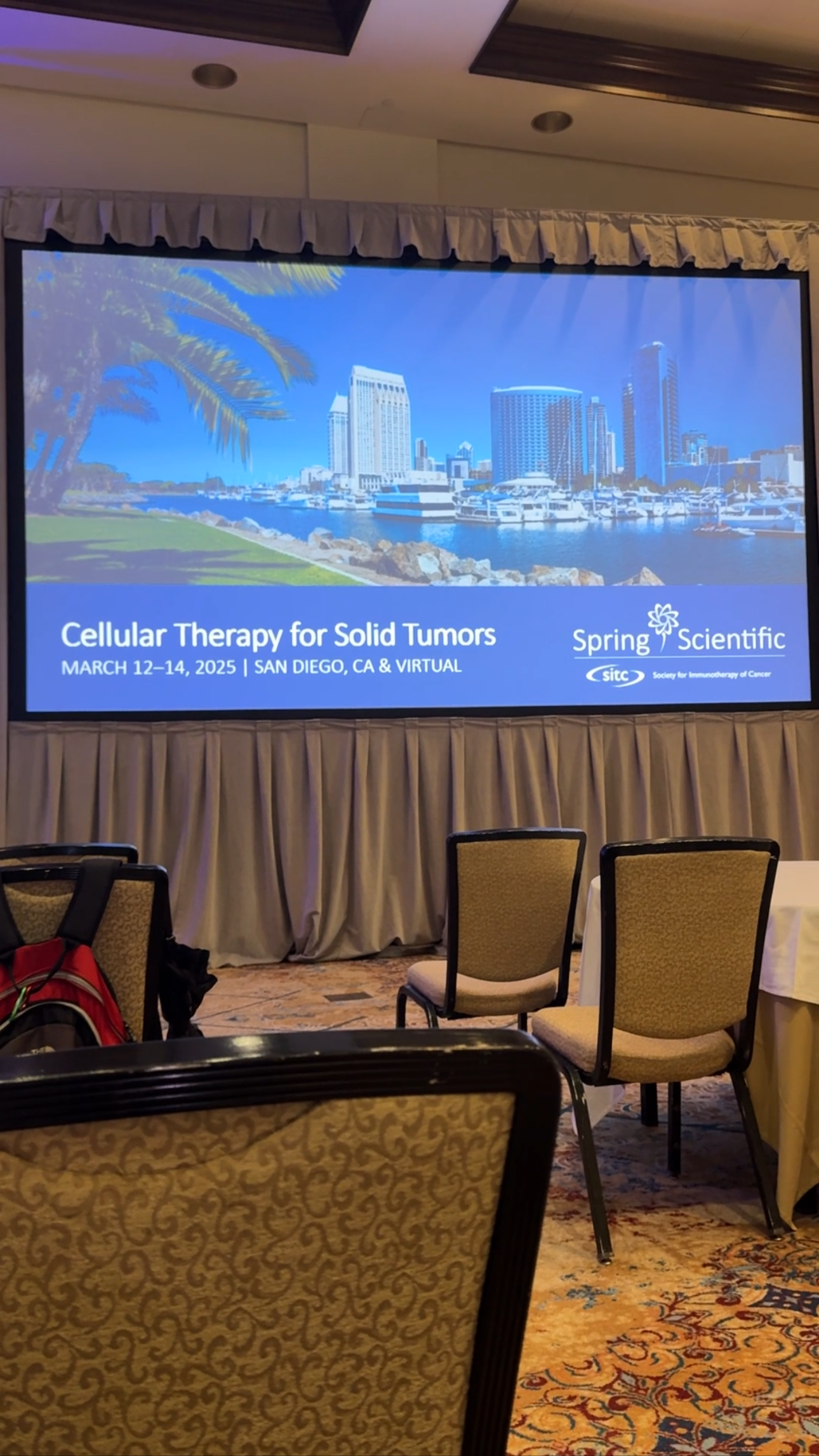
Awaiting the start of the conference.
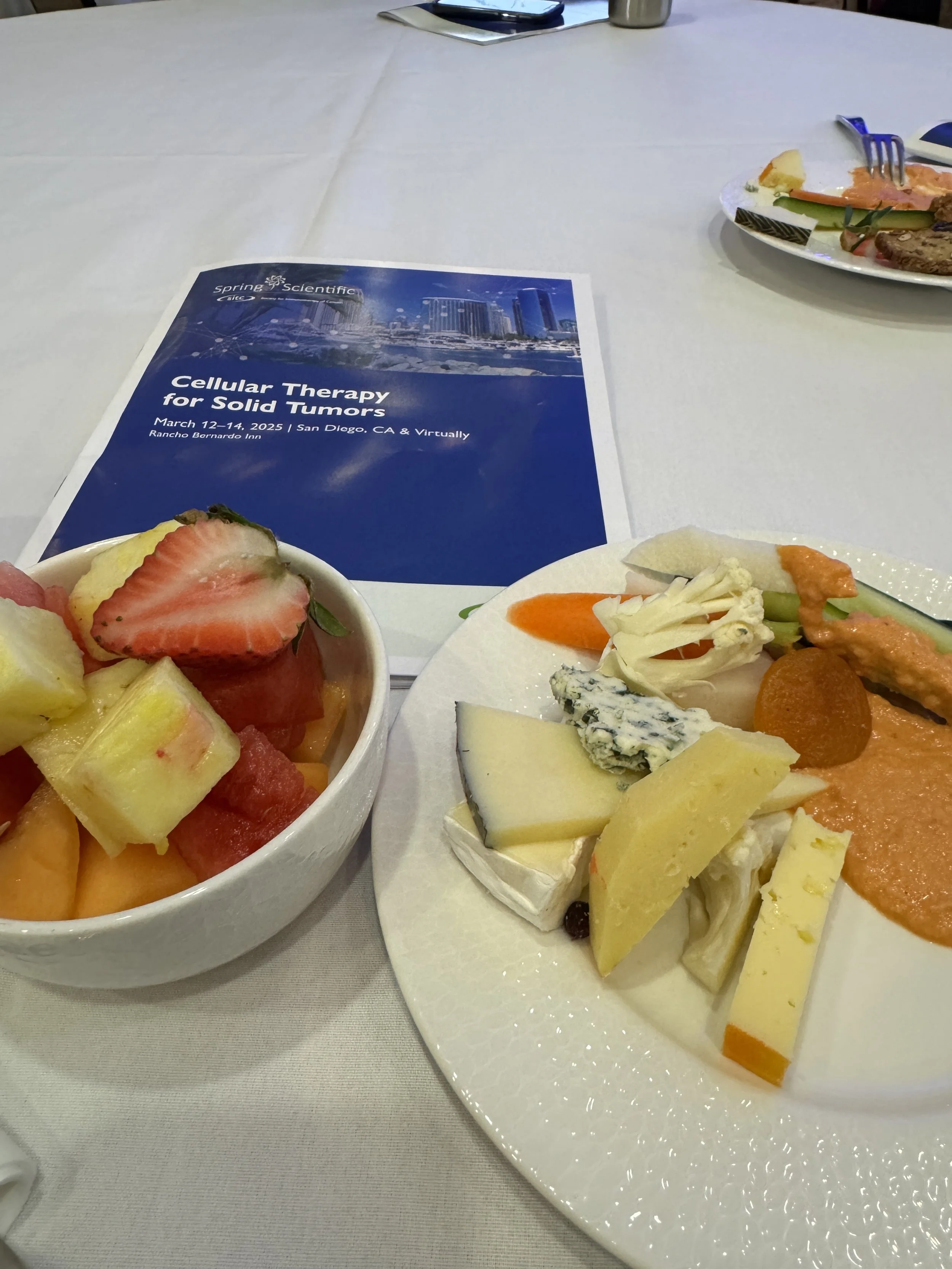
Got to enjoy the great snacks at this workshop.
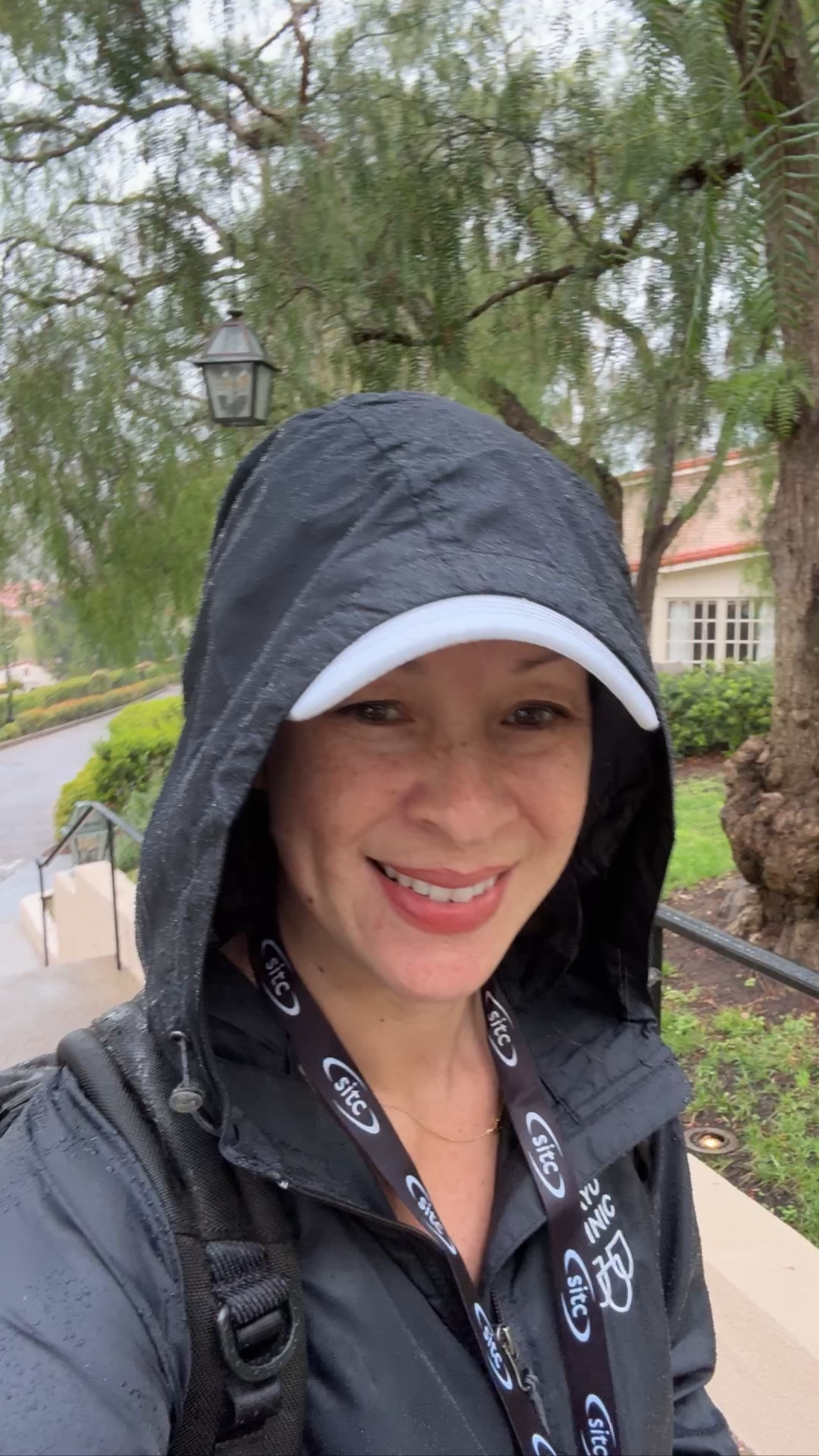
It was a little rainy, but I got to enjoy my new logo windbreaker.
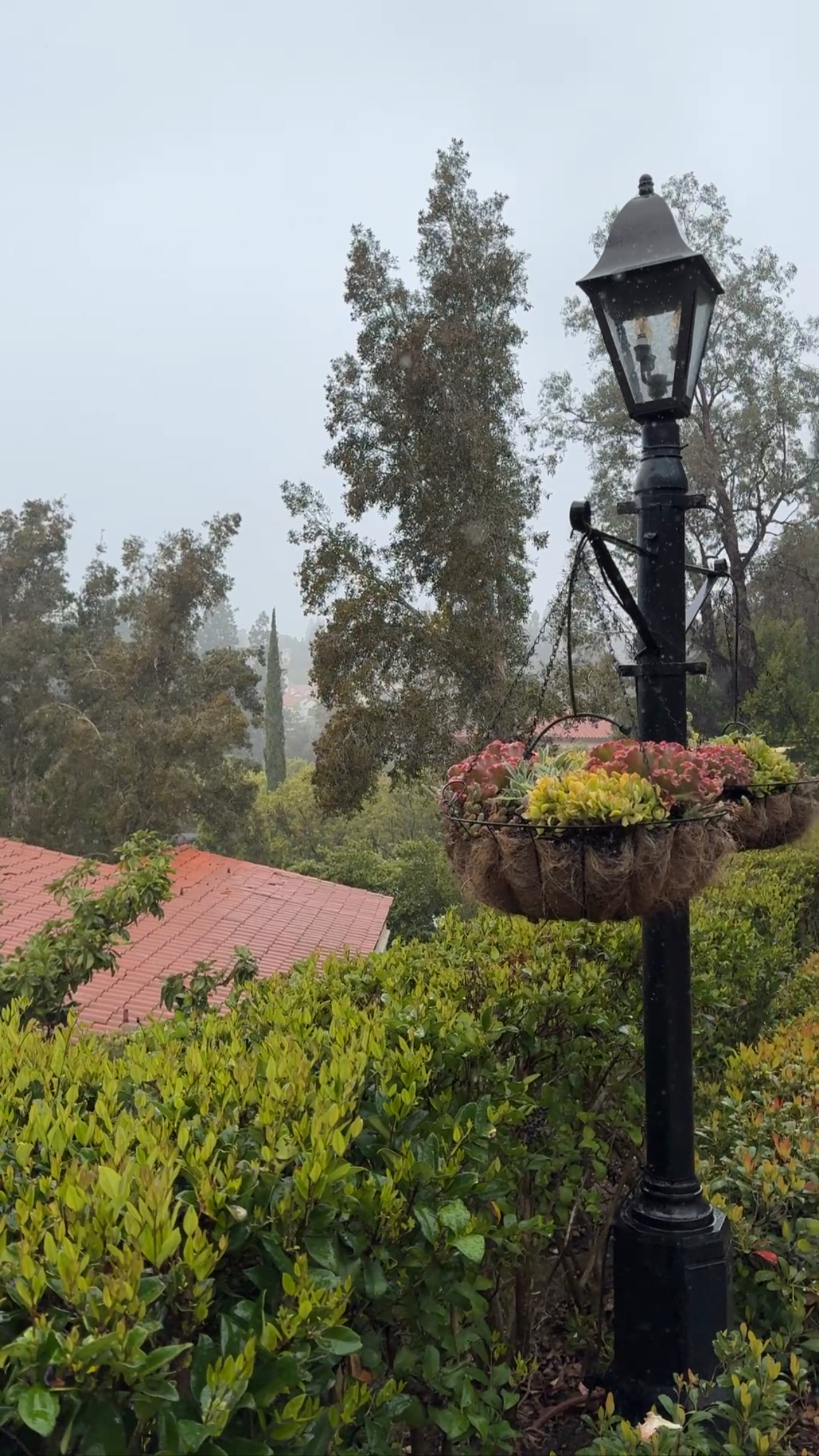
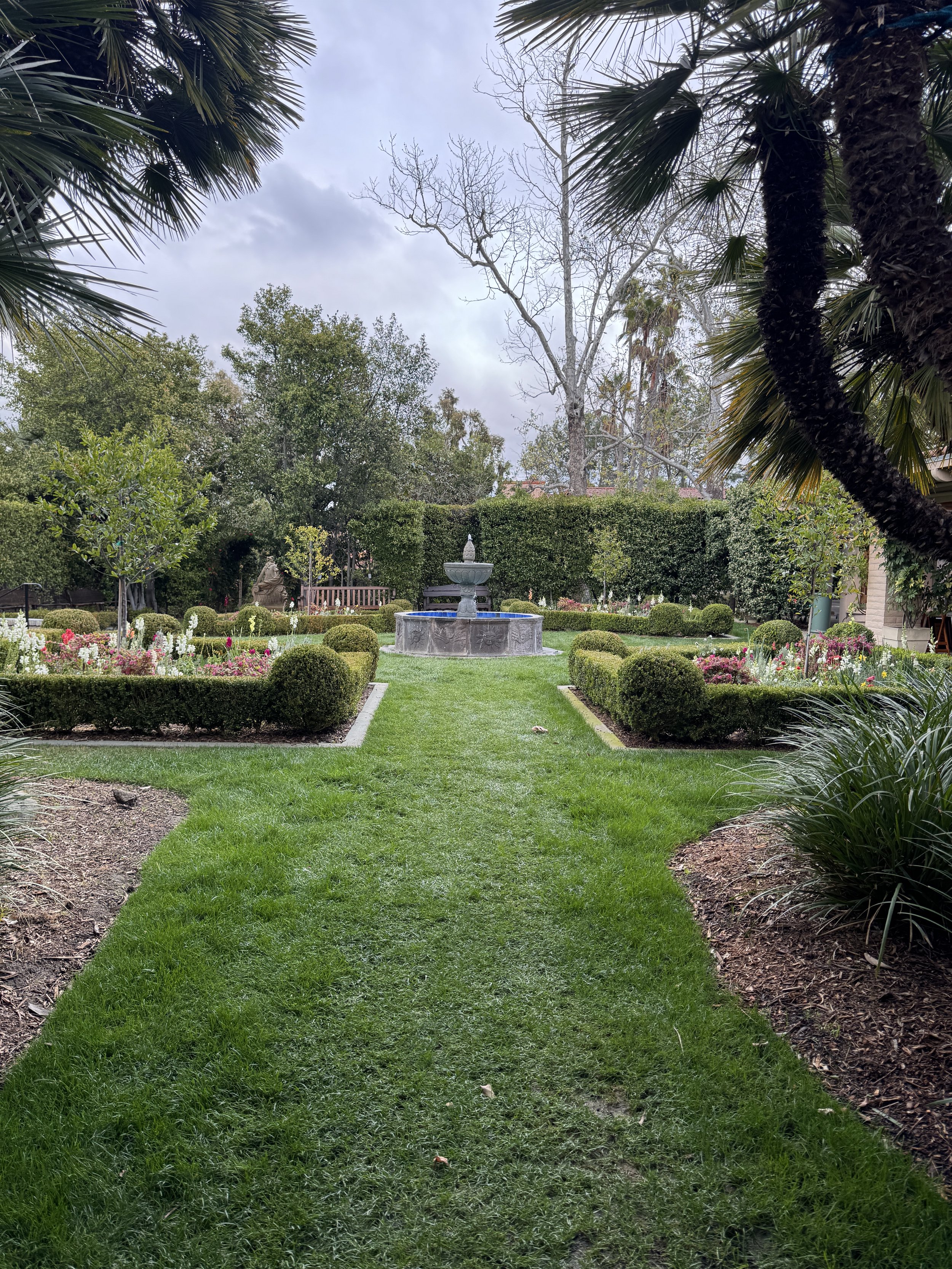
The conference was held at the beautiful Rancho Bernardo Inn, a beautiful historic location that has the California cool, 60s leisure vibe.
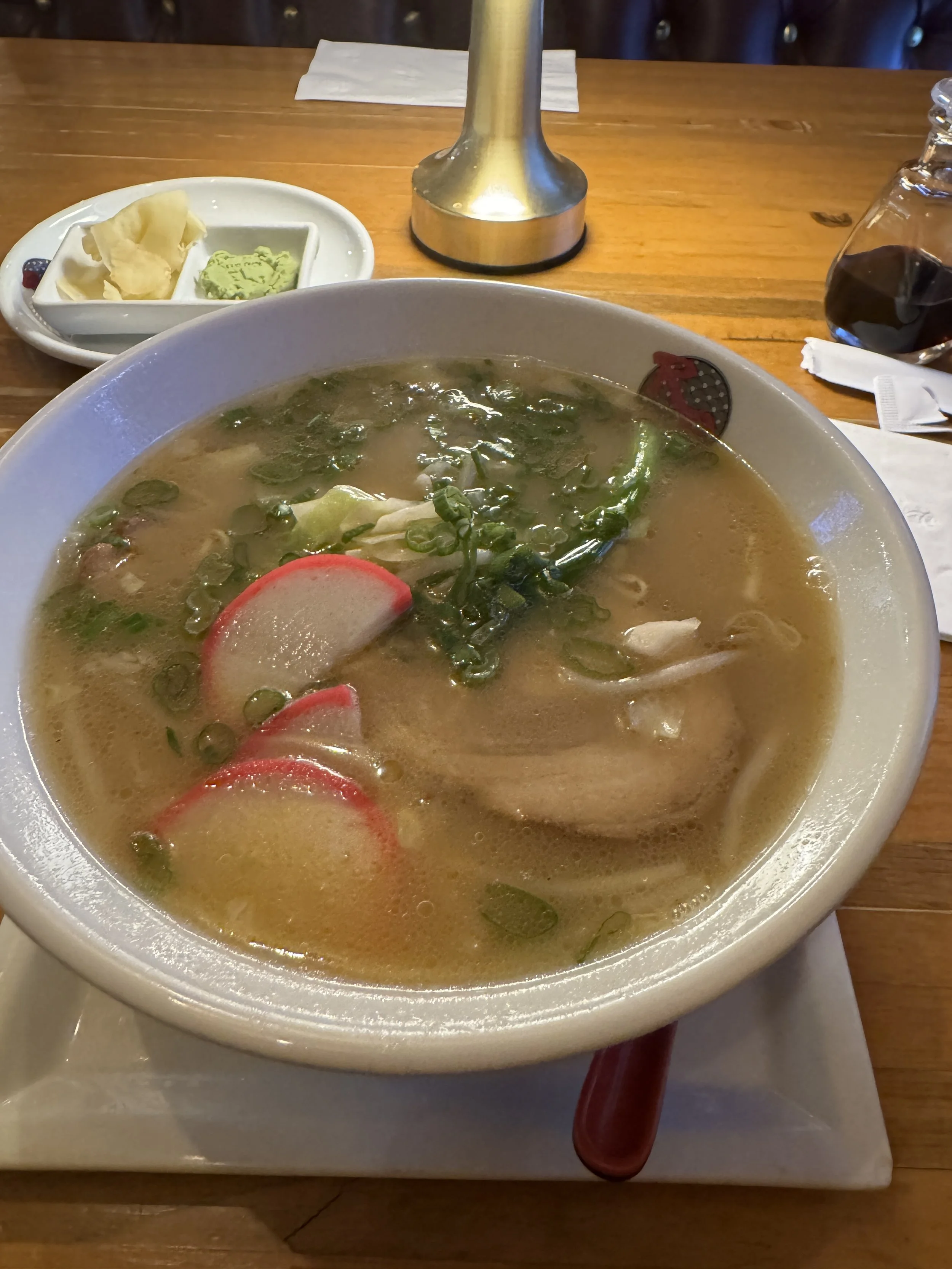
I think it is just as important to take time away from the conference to enjoy some of the locale. With the chilly rain I was really craving Japanese food, getting tonkotsu ramen at Rancho Bernardo Sushi was fantastic!
Our lab’s first graduate student, Tina, was wrapping up her research, and we were navigating the peer review process for her manuscript. I brought her poster to the conference so that I could display it during the poster session and get feedback from attendees. The project’s novelty is the use of 2-photon microscopy to watch T cells moving inside of living tumor tissues, so I brought my iPad to be able to let my audience fully appreciate the videos. I normally find poster sessions to be pretty draining, but it was fun to show people the videos. I also had the chance to catch up with some industry friends from Miltenyi Biotec. A few years ago I was awarded a pilot grant to try out their multiplex immunofluorescence platform, the MACSima, and they have been so generous as to keep me in mind when they need academic speakers. I really enjoy interacting with folks in biotech, it is such a great way to see what industry is working on and they are also really interesting people too!
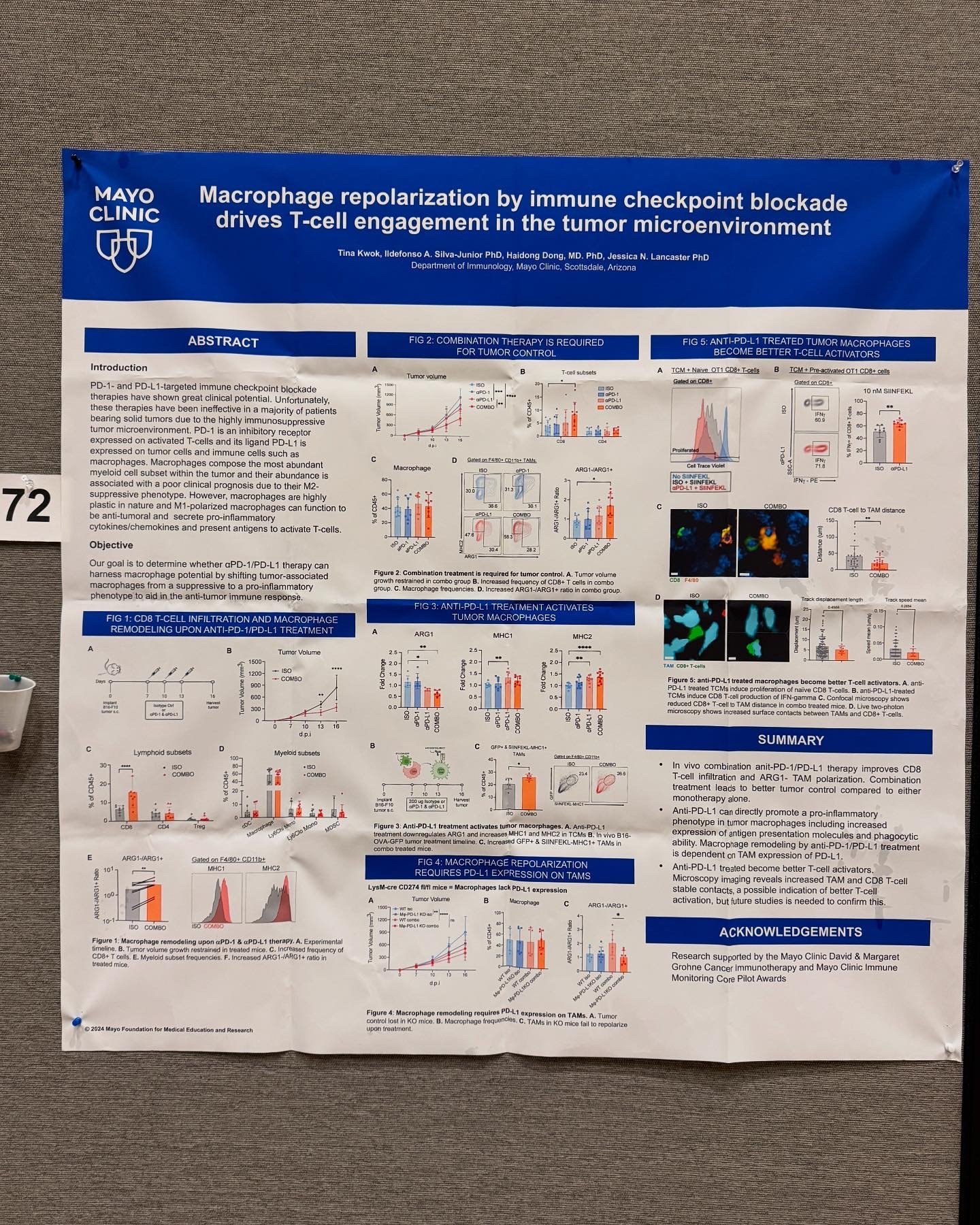
Very proud to showcase a poster from Tina’s dissertation work.
After the conference I made a quick trip home to get my family ready for Spring Break. We spent a few days together in Jacksonville, Florida, before my kids went home to grandma on the conference start day. This was their first time taking a flight connection without parents, and while there was a little anxiety when their flight was delayed, I think it was a great way for them to develop some resilience and feel proud of being independent.
I was invited to give a short talk on immune aging in the annual meeting of the Healthy Aging Alliance, a research consortium that includes Mayo Clinic, University of Minnesota, University of Cologne, University of Copenhagen, and University of Groningen. This was my second time visiting Jacksonville, which is home to our sister Mayo Clinic hospital in Florida. Also if you’ve read my blogpost about conference networking you may have read about my concept of an academic ‘frenemy’ (i.e., not a real enemy, but someone doing something pretty close to your project at another institution with whom you have an imagined competition). Mine was at this conference and I really enjoyed interacting with her; though she doesn’t know it, I consider her a new academic best friend. ^^;
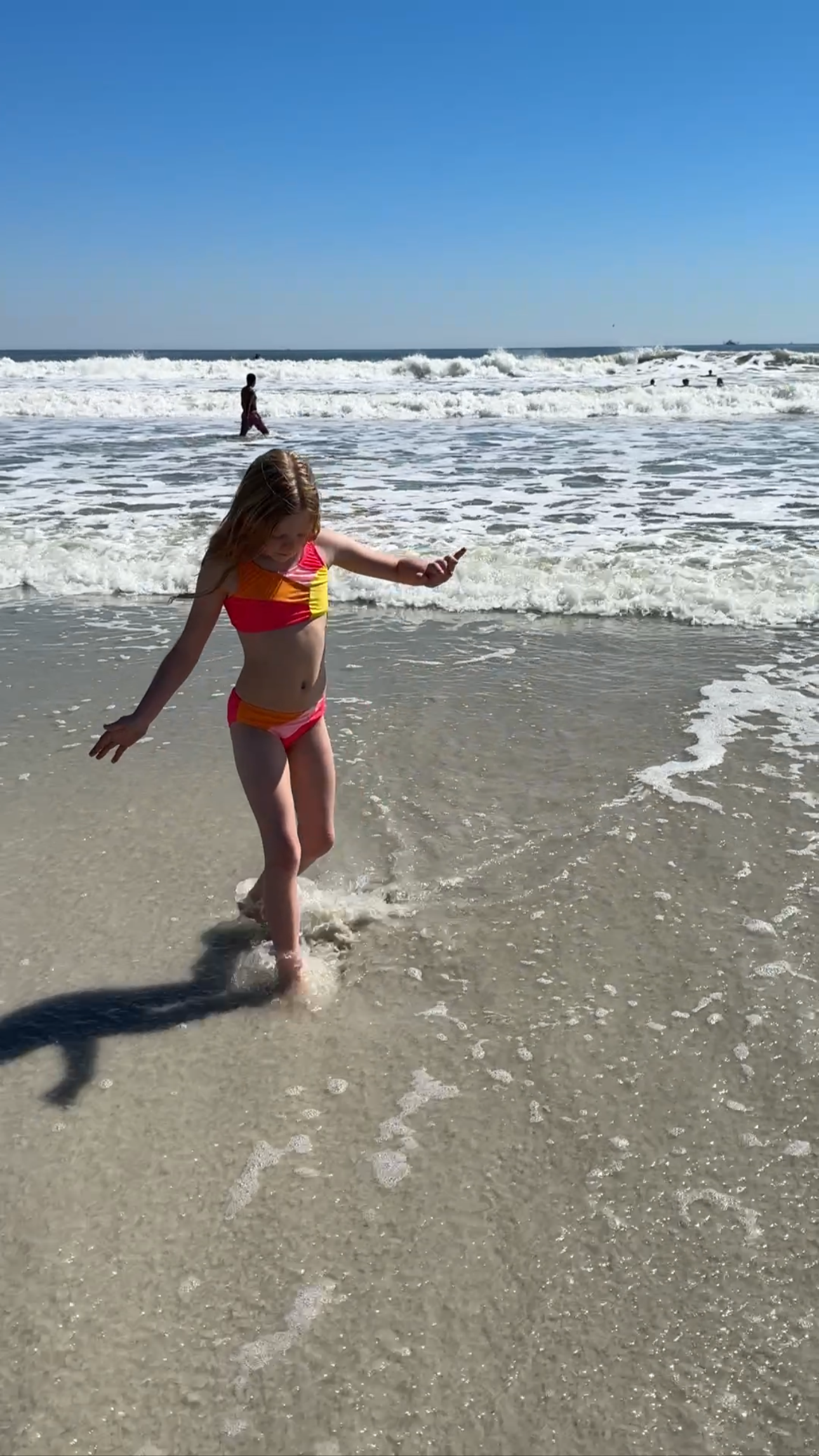
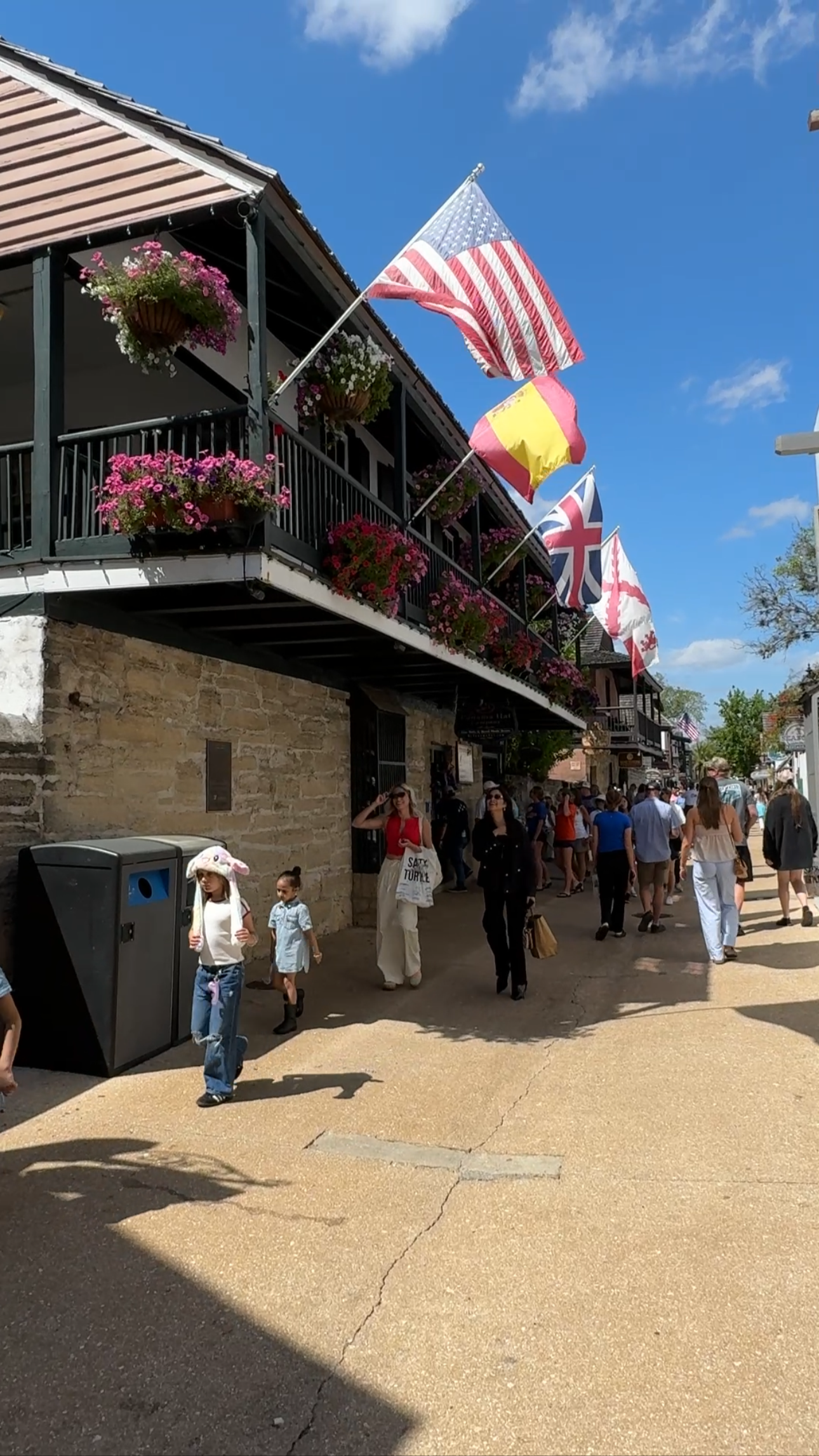
Cool breezes and sunny days at Jacksonville Beach and St. Augustine with the family.
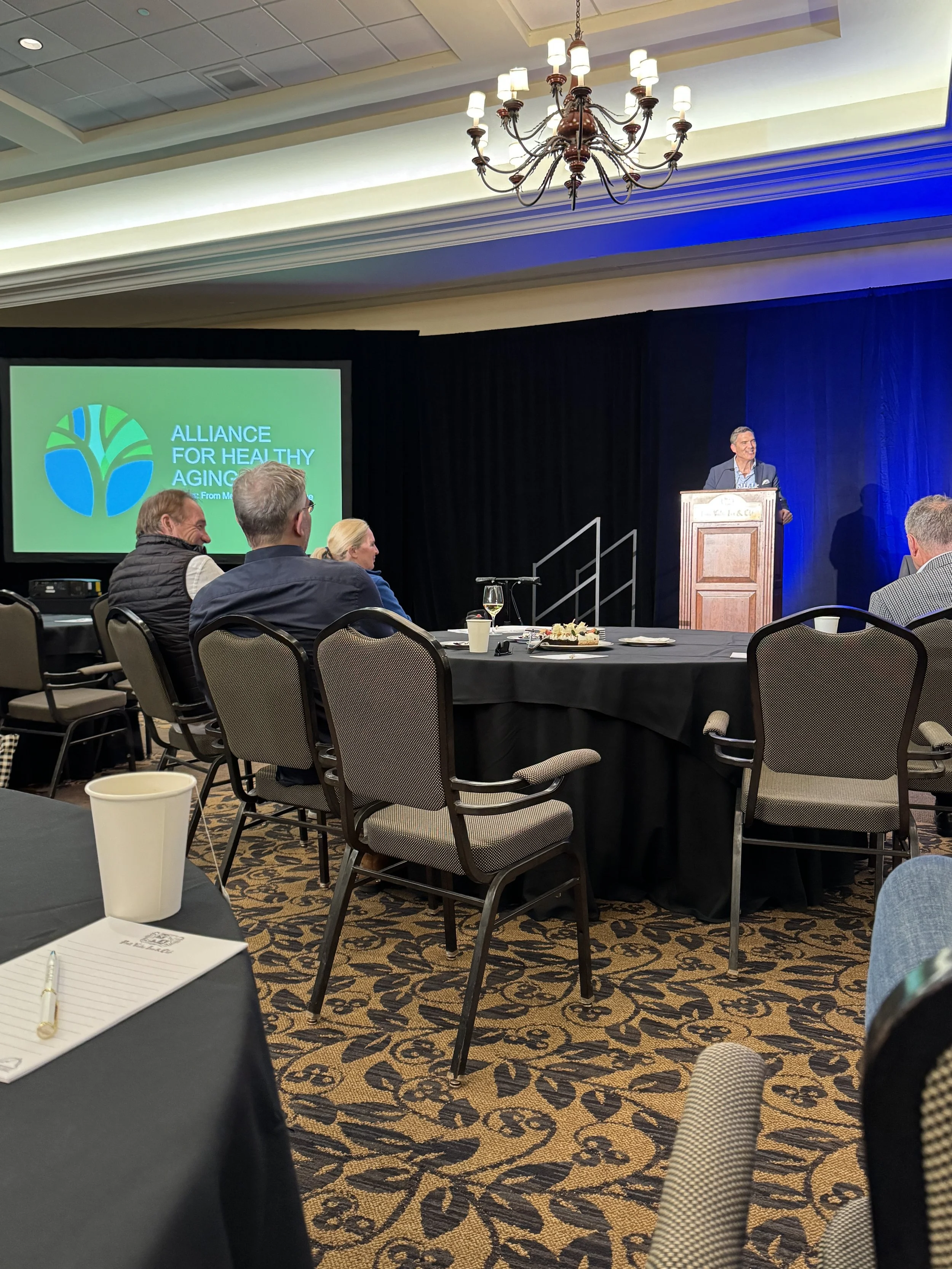
The director for the Mayo Clinic Kogod Center on Aging kicked off the conference by welcoming our consortium partners. He and the other center leaders have been very supportive of my immune aging work, which has been such a morale boost.
In addition to my secret academic best friend, the conference was a wonderful chance to catch up with my colleagues and mentors from Minnesota and Florida in the aging and neurodegenerative disease research areas. I am starting to become more aware of the secret champions that are out there, promoting my career without seeking any acknowledgement from me. It is truly humbling to know that they believe in my research program as much as I do, and take their mission of paving the future of research very seriously. Shaping my project into the talk was also a helpful exercise, as we are still trying to figure out what the key questions are. I am optimistic that the data we collect in the upcoming year will really develop the story and make it truly impactful.
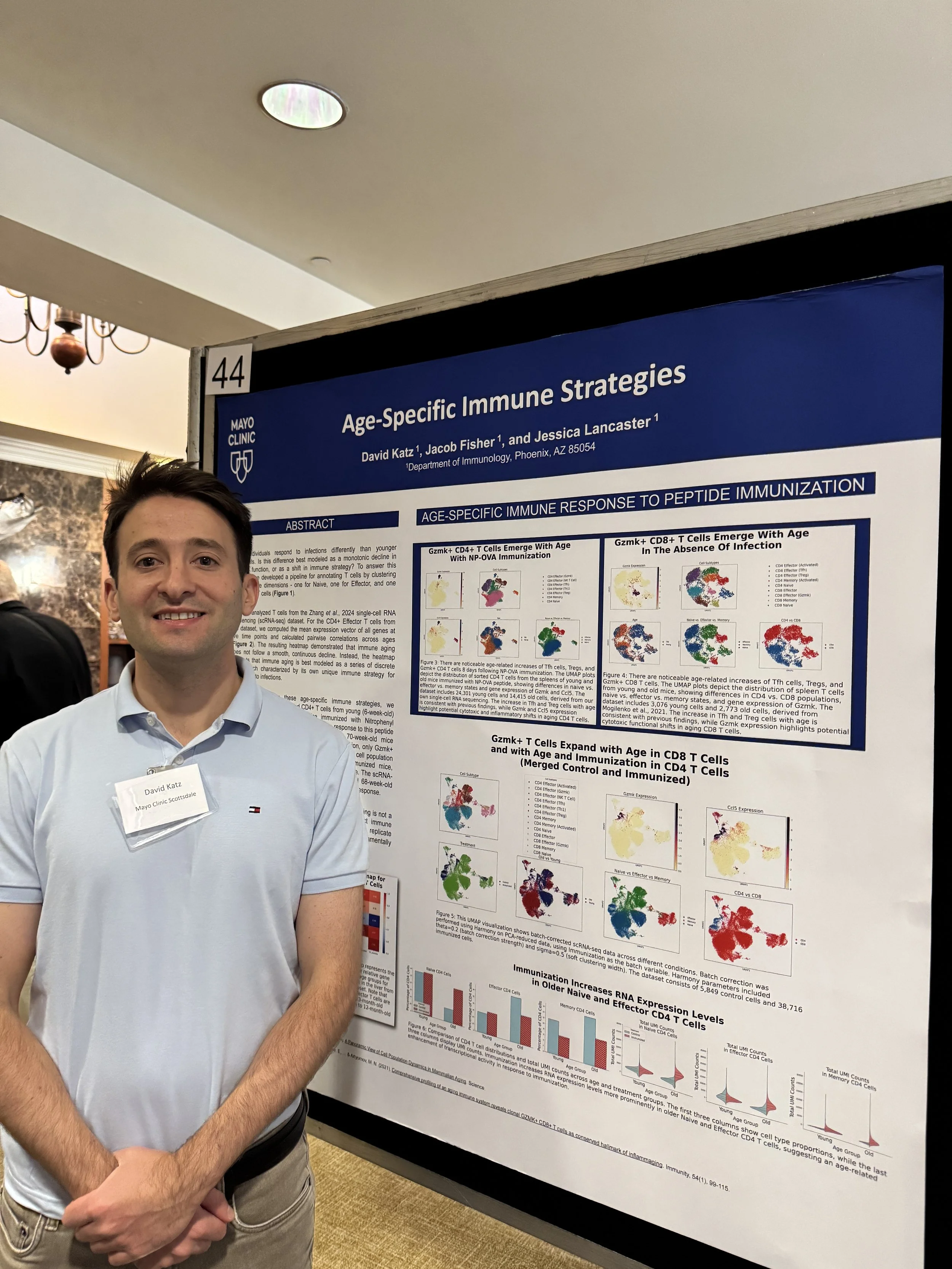
Postdoctoral fellow David already putting himself out there and showcasing his computational work on aging T cells. His recruitment has been very critical to our lab’s ability to integrate systems biology into our research scope.
In the past year, it has been challenging to maintain this blog, as I am overwhelmed by the amount of writing that needs to be done as a faculty member. I regret that I have not been faithfully capturing the lab’s many milestones–but there is always chance to start again! I have also had the great privilege to find out that there is an audience out there reading these posts. I have had students interviewing for our graduate and medical programs, or looking for job positions, let me know that they had happened across this blog. I had done very much the same thing as a trainee, so it is heartening that this could be helpful to others. I will try to do better, and thank you!